Anxiety is one of the most common mental health concerns experienced by adults today. It’s more than just everyday stress or worry for many people, anxiety can be overwhelming, persistent, and significantly impact daily life. In Australia, anxiety disorders affect a large portion of the adult population and can show up in many different ways, both mentally and physically. Understanding what anxiety is, how it presents, and where to find support is a crucial first step toward managing it and improving overall wellbeing.
What Is Anxiety?
Anxiety is a natural human response to perceived threats or challenges. Everyone experiences nervousness before a job interview, worry about a major life change, or tension during conflict. However, when anxiety in adults becomes frequent, intense, or difficult to control, it may be an anxiety disorder, a recognised mental health condition that can interfere with work, relationships, sleep, and overall quality of life.
People with anxiety disorders often experience:
- Persistent and excessive worrying about everyday situations
- Difficulty concentrating or making decisions
- Feelings of restlessness or being ‘on edge’
- Physical symptoms such as a racing heart, muscle tension, or sleep disturbances
- Irritability or frequent feelings of overwhelm when situations become stressful.
These experiences are not signs of weakness, they are real, treatable conditions that benefit from understanding and support.
How Common Is Anxiety in Adults in Australia?
Anxiety is one of the most prevalent mental health conditions in Australia. Research shows that anxiety disorders consistently rank among the most commonly diagnosed mental illnesses in Australian adults. In national studies:
- Around one in six Australians (over 17%) aged 16–85 years experienced an anxiety disorder in the past 12 months, making it the most common group of mental health disorders in the country.
- Mental health issues, including anxiety, affect millions of adults each year, with substantial impacts on daily functioning and emotional wellbeing.
These statistics highlight how widespread anxiety can be and why it’s important to recognise symptoms early and seek support.
Different Types of Anxiety Disorders
Anxiety doesn’t look the same for everyone. It encompasses a range of conditions, each with its own characteristics:
- Generalised Anxiety Disorder (GAD): Ongoing and excessive worry about everyday concerns.
- Social Anxiety Disorder: Intense fear of being judged or embarrassed in social situations.
- Panic Disorder: Recurrent panic attacks sudden episodes of fear with physical symptoms such as heart palpitations.
- Specific Phobias: Strong fear linked to particular objects or situations, such as heights or flying.
Understanding the type of anxiety someone is experiencing can be helpful in choosing the most effective strategies and support. These conditions often co-occur with other mental health challenges, such as depression, making personalised care especially important.
What Causes Anxiety in Adults?
There isn’t a single cause of anxiety. Instead, it arises from a mix of biological, psychological, and environmental factors. Common contributors include:
- Genetic predisposition: Family history of anxiety can increase risk.
- Stressful life events: Loss, trauma, financial strain, or major life changes can trigger anxiety.
- Personality traits: Some individuals may be more prone to anxiety due to inherent temperament.
- Health conditions: Chronic illness or other mental health disorders can contribute to anxiety symptoms.
In a rapidly changing world, modern stressors such as financial pressures, work demands, social pressures, and uncertainty can also contribute to rising anxiety levels among adults in Australia.
How Anxiety Can Affect Daily Life
When anxiety becomes persistent and unmanageable, it can touch every part of life:
- Work productivity: Difficulty concentrating and constant worry can reduce performance.
- Relationships: Irritability and avoidance of social situations can strain connections with loved ones.
- Physical health: Chronic anxiety is linked with sleep problems, increased heart rate, fatigue, and other physical symptoms.
- Quality of life: Everyday tasks can feel overwhelming when anxiety is at its peak.
It’s important to remember that anxiety is not a personal failing, it’s a condition that responds well to support, treatment, and coping strategies.
Seeking Help: You’re Not Alone
Reaching out for support is a powerful step toward recovery. In Australia, many people access psychological support through online counselling, telehealth therapy, or in-person consultations. At Your Online Psychologist, our team of qualified professionals specialises in evidence-based care, offering tailored support for anxiety and other mental health concerns. Online sessions make this support accessible from anywhere in Australia, helping remove barriers such as travel, time constraints, or stigma attached to seeking help.
Therapy approaches may include cognitive behavioural therapy (CBT), Acceptance and Commitment Therapy (ACT), mindfulness strategies, and personalised coping skills. These methods can help you understand the patterns that underlie anxious thoughts and give you tools to manage them effectively over time.
Supporting Yourself: Practical Tips
Alongside professional help, there are everyday strategies that many people find helpful:
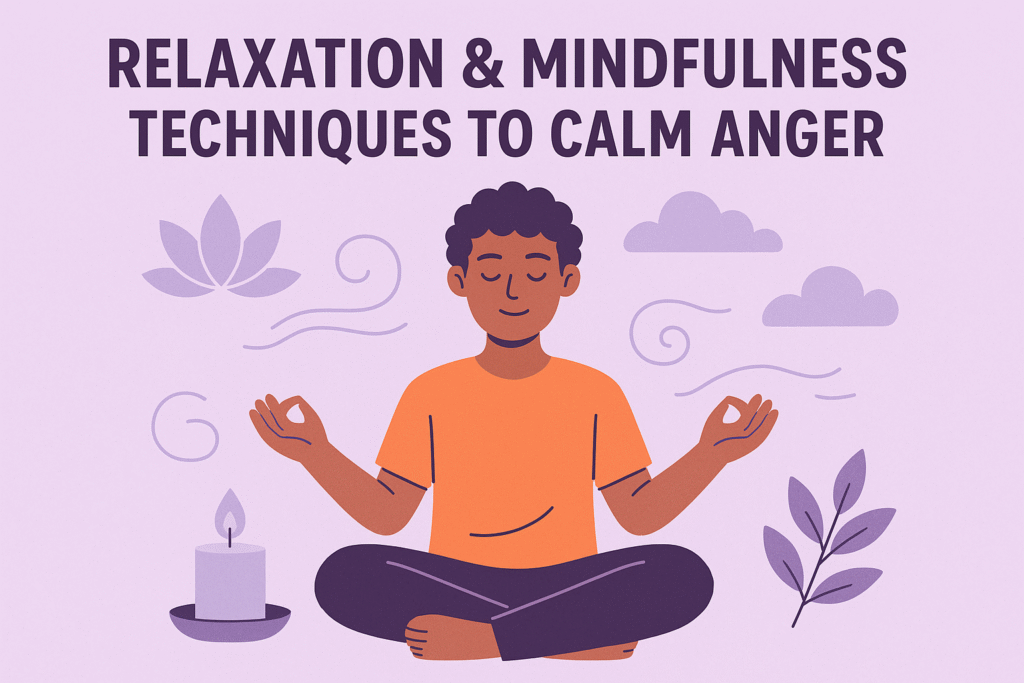
- Mindfulness and breathing exercises: These help calm the nervous system and reduce tension.
- Regular physical activity: Exercise can reduce stress hormones and improve mood.
- Healthy routines: Consistent sleep, balanced nutrition, and time for relaxation all support emotional wellbeing.
- Building a support network: Sharing your experience with trusted friends or family can alleviate feelings of isolation.
Small habits can contribute to big improvements, especially when combined with professional guidance.
Final Thoughts
Anxiety in adults is common, but it doesn’t have to define your life or limit your potential. In Australia, awareness around mental health is growing, and support options including online psychology are more accessible than ever. Recognising anxiety, understanding how it affects you, and choosing to seek help are empowering first steps on the path to wellness.
If anxiety is affecting your day-to-day life, taking action now can prevent it from becoming more severe over time. You don’t have to navigate it alone, support is available, compassionate, and tailored to your needs.