Anxiety: What It Is, Why It Matters, and How to Manage It

Navigate Content

What is Anxiety?

Anxiety is a natural human emotion — a heightened state of alertness, worry or unease in response to perceived threats or stressors. It’s normal to feel anxious from time to time: a job interview, a big decision, upcoming exam or relationship change can trigger it.

However, when anxiety becomes persistent, disproportionate, and interferes with daily life, it may cross into the territory of an anxiety disorder. According to the National Institute of Mental Health (NIMH), anxiety disorders involve more than occasional worry or fear, and the anxiety does not go away and may get worse over time.

Similarly, the Cleveland Clinic describes anxiety disorders as a group of mental-health conditions that cause fear, dread and symptoms out of proportion to the situation.

In short: Anxiety becomes a problem when it is ongoing, pervasive, and limiting your ability to function.

Types of Anxiety Disorders

There are several recognized forms of anxiety disorders. According to the Cleveland Clinic, these include:

  • Generalised Anxiety Disorder (GAD): Persistent, excessive worry about everyday matters (work, health, chores) that feels hard to control.

  • Panic Disorder: Recurrent unexpected panic attacks—sudden surges of intense fear or discomfort that peak within minutes—and ongoing worry about having more attacks. 


  • Social Anxiety Disorder (Social Phobia): Intense fear of social situations or being judged negatively by others; avoidance of social interaction.

  • Specific Phobias: Excessive fear of a specific object or situation (e.g., heights, animals, flying) that leads to avoidance and distress.

  • Agoraphobia: Fear of situations where escape may be difficult (e.g., open spaces, crowds, being outside home); may accompany panic disorder.

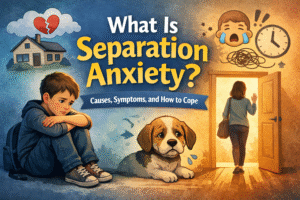
  • Separation Anxiety Disorder: While separation anxiety is common in children, this disorder can affect adults too—marked anxiety when separated from home or loved ones.

  • Selective Mutism: More rare—predominantly in children—where an individual doesn’t talk in certain situations due to anxiety.

By understanding the type of anxiety, tailored approaches to treatment and management can be selected.

Symptoms and Causes

Symptoms

Symptoms vary by person and by the type of disorder, but common features include both psychological and physical signs. From Cleveland Clinic:

Psychological / cognitive symptoms might include:

  • Persistent worry, fear, dread or unease

  • Feeling on edge, irritable

  • Difficulty concentrating or mind going blank

  • Anticipation of disaster

Physical / somatic symptoms may include:

  • Restlessness or feeling keyed up

  • Rapid heart-rate (palpitations), shortness of breath

  • Muscle tension, trembling, sweating

  • Dry mouth, nausea, tingling in hands/feet

  • Sleep disturbances (difficulty falling or staying asleep)

  • Because anxiety can mimic or overlap with physical health problems (for example, hyperthyroidism can present with palpitations), health professionals often rule these out.

Causes

There’s no single cause of anxiety disorders—rather, a combination of factors:

  • Neurochemical imbalances: Neurotransmitters (such as serotonin, GABA, norepinephrine) and hormones play a role in how anxiety is regulated.

  • Brain structure and function: For example, heightened activity in the amygdala (the part of the brain that processes fear) has been noted in anxiety disorders.

  • Genetics & family history: A family history of anxiety disorders increases risk.

  • Environmental/psychosocial stressors: Trauma, long‐term stress, major life changes, or persistent worry can trigger or maintain anxiety disorders.

  • Other medical conditions and medication effects: Sometimes physical illness or medication side-effects can contribute to or mimic anxiety symptoms.

Understanding that anxiety is multi-factorial helps in shaping an individualized response rather than attributing it to “just worrying too much”.

Treatment

When anxiety becomes disabling, it’s important to seek help. Both psychotherapy and medications (or combinations) are effective. For many individuals, online anxiety counselling can be a convenient and effective way to access professional support, especially if in-person sessions are difficult to attend.

Psychotherapy (talk therapy):

  • The most widely used is Cognitive Behavioural Therapy (CBT), where you learn to recognise and shift unhelpful thinking and behaviour patterns.


  • For phobias and panic, exposure therapy (gradually facing feared situations in a controlled way) is a powerful tool.


  • Sometimes other therapies (mindfulness‐based, acceptance and commitment therapy, group therapy) may complement the core work.


Medication:

  • Antidepressants (e.g., SSRIs, SNRIs) are often first-line treatments. They adjust brain chemistry to moderate mood and anxiety.


  • Benzodiazepines can work quickly but have risks of dependence and tolerance; usually used short-term.


  • Beta-blockers may help reduce physical symptoms (heart racing, trembling) but not the root psychological worry.


Combined approach:
A combined treatment (therapy + medication) often offers the best outcomes. The goal is to reduce symptoms, improve functioning (work, relationships, day-to-day living), and provide skills to manage anxiety long-term. 

Outlook:
Left untreated, anxiety disorders can lead to more serious problems: reduced quality of life, substance misuse, depression, even heart health issues. With proper treatment, many people regain control and return to meaningful daily activity.

Prevention

While there is no guaranteed way to prevent anxiety disorders entirely, you can reduce risk and lessen impact by early recognition and self-care. 

  • Seek help early when anxiety symptoms start interfering.

  • Build resilience through lifestyle habits (regular exercise, good sleep, balanced diet).

  • Manage stress proactively rather than letting it build unchecked.

  • Avoid excessive caffeine or substances that may exacerbate anxiety.

Educate yourself and family about anxiety so you recognise warning signs before they escalate.

How to Reduce Anxiety Immediately

Even if you’re not in therapy yet or you encounter a sudden surge of anxiety, there are effective, immediate techniques you can use:

  1. Deep breathing: Slow, steady breathing (e.g., inhale for 4 counts, hold 2, exhale for 6) helps activate the body’s “rest & digest” response.
  2. Grounding exercise: Use the 5-4-3-2-1 technique — identify five things you can see, four you can touch, three you can hear, two you can smell, one you can taste to anchor yourself in the present.
  3. Progressive muscle relaxation: Tense a muscle group (say shoulders) for 5 seconds, then release. Work through major muscle groups.
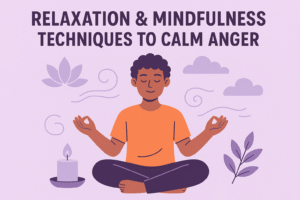
  4. Mindful observation: Notice your anxious thoughts without judgment (“Here is anxiety rising”), label them, then shift attention to something neutral or positive.
  5. Physical movement: A brisk walk or gentle exercise can help shift the body out of fight/flight mode.
  6. Limit stimulants: Reduce caffeine, nicotine, energy-drinks when anxious episodes are frequent.
  7. Soothing self-talk: Remind yourself “this will pass,” “I can handle this one step at a time,” rather than catastrophising.


While these techniques don’t replace professional treatment, they’re practical tools to ease the intensity of anxiety and buy time until calmer functioning returns.

Explore Clinical Trials About Anxiety Disorders

Research into anxiety disorders is ongoing and evolving. The NIMH highlights that clinical trials are being conducted to explore new ways to prevent, detect or treat anxiety disorders.
If you’re interested:

  • Visit clinical trials databases (e.g., ClinicalTrials.gov) for current studies on anxiety.

  • Understand what participation involves (risks, benefits, what is needed).

  • Consider how research settings may differ from everyday treatment (often more controlled).

For many people, involvement in trials can offer cutting-edge options and contribute to broader knowledge of anxiety treatments.

Final Thoughts

Anxiety, while common and often manageable, becomes concerning when it consistently interrupts your life, decision-making, relationships or work. Recognising the difference between everyday worry and an anxiety disorder is key. Early intervention, a combination of therapy, possible medication, lifestyle adjustments and effective coping tools can make a significant difference.

If you or someone you know is experiencing symptoms of an anxiety disorder, professional help is wise. With support and strategy, it’s possible to regain control, reduce interference and improve quality of life.

Frequently Asked Questions

Yes. Research shows that online therapy for anxiety (especially CBT) can be just as effective as in-person therapy. It provides convenience, accessibility, and confidentiality, making it easier for many people to start and stay consistent.

If anxiety is interfering with your sleep, work, relationships, or daily functioning, it’s a sign you may benefit from therapy. Even mild symptoms can be treated early before they escalate.

Stress usually comes from an external trigger (like deadlines or financial pressure), while anxiety often persists even without a clear cause. Therapists can help you understand which you’re experiencing and guide you to the right treatment.

The YOP (Your Online Psychologist) content team is made up of qualified mental health professionals, writers, and editors who are passionate about making psychology accessible to all Australians. We aim to provide trusted, easy-to-understand resources that empower you to take control of your mental well-being.