Social anxiety can feel like an invisible wall between you and the world, a persistent fear of social or performance situations where you worry you’ll be judged, embarrassed, or scrutinised. For many, this experience isn’t just occasional nervousness; it’s a pattern that makes everyday interactions unnecessarily stressful. But with the right understanding and practical strategies, it’s possible to gradually reduce the grip of social anxiety and build confidence in the places and scenarios that once felt intimidating.
At Your Online Psychologist, we know that navigating these challenges starts with compassion and awareness. Let’s explore evidence-based tips grounded in psychology and real-world experience that can help you take confident steps forward.
What Is Social Anxiety?
Social anxiety involves more than just feeling shy. It’s the intense fear of negative evaluation from others whether at school, work, social gatherings, or even in one-on-one interactions. This fear can manifest as physical symptoms like a racing heart, trembling, sweating, or a feeling of “being on stage.” It also often brings thoughts like “What if I say something wrong?” or “They must think I’m awkward.” These reactions are common, but they can become significant obstacles if left unaddressed.
But here’s the encouraging part: social anxiety doesn’t have to control your life. With gradual practice, supportive tools, and if needed professional guidance, you can build confidence and feel more at ease in social settings.
1. Understand and Accept Your Anxiety
The first step towards change is understanding what you’re experiencing. Acknowledge that your feelings of anxiety are real and valid but also manageable. Anxiety isn’t a personal flaw; it’s a nervous system response that can be shaped over time. Acceptance rather than avoidance creates room for growth.
Many people find it helpful to explore what specific situations trigger their anxiety. Is it speaking in groups? Meeting someone new? Eating in public? Once you identify patterns, you can begin planning small steps to face them incrementally.
2. Challenge Negative Thinking Patterns
Feelings of social anxiety are often amplified by unhelpful thoughts — like predicting the worst outcome or assuming others are judging you harshly. One effective strategy is to gently challenge these thoughts by asking yourself:
- What evidence do I have for this fear?
- Is this thought an assumption or fact?
- What’s a more balanced way to view this?
Turning thoughts such as “Everyone will notice my mistakes” into something more realistic like “People are usually focused on their own experiences” can reduce stress and help you engage more fully.
3. Set Small, Manageable Goals
Confidence isn’t built by leaping into the deep end; it’s developed through small, consistent steps. Start with social situations that feel challenging but achievable. For example:
- Say hello to someone in passing.
- Ask a coworker a simple question.
- Attend a short social event for a limited time.
Each time you face a situation that once felt uncomfortable even in small ways you accumulate evidence that you can handle it. Celebrate these wins, no matter how minor they may seem.
4. Practice Mindfulness and Relaxation Techniques
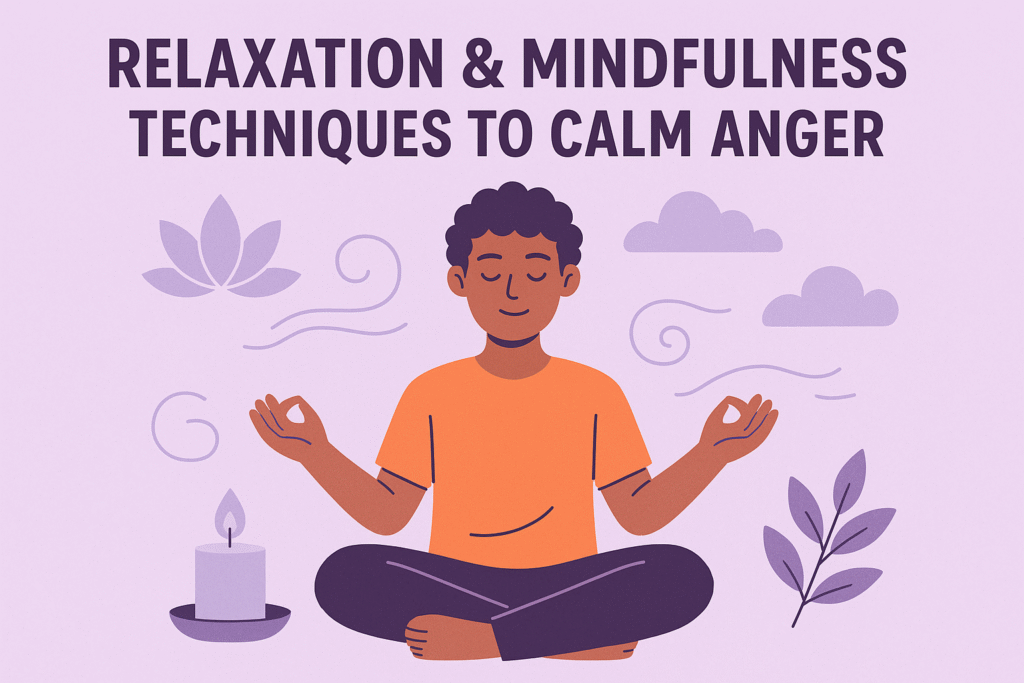
Anxiety can make the body feel tense and the mind feel scattered. Mindfulness, deep-breathing, and relaxation practices bring your focus back to the present moment instead of future “what-ifs.” Techniques such as progressive muscle relaxation, grounding exercises, and brief breathing rhythms help calm your nervous system when anxiety spikes whether you’re about to speak up in a meeting or walk into a gathering.
5. Develop Social Skills in Low-Pressure Settings
Confidence grows with competence. Like any other skill, social interaction becomes easier with practice. Activities such as role-playing conversations with a trusted friend, participating in a support group, or even rehearsing what you might say at an event can help.
Improving social skills, active listening, eye contact, asking open-ended questions not only makes interactions smoother but also reinforces your sense of self-efficacy. The more you do it, the more natural it feels.
6. Use Gradual Exposure to Reduce Fear
One of the most effective tools in managing social anxiety is gradual exposure. Instead of avoiding every situation that causes discomfort, facing feared scenarios bit by bit can reduce anxiety over time. Think of it like building a ladder. You start at the bottom with a small challenge and slowly work your way up as your confidence grows.
This approach reinforces the understanding that anxiety doesn’t need to stop you from engaging with life and that the fear often lessens with repeated experience.
7. Seek Support When Needed
You don’t have to do this alone. Talking with a trusted therapist can offer tailored strategies, empathetic support, and structured guidance. Psychologists can help you understand the roots of your anxiety and teach you cognitive and behavioural tools to manage symptoms more effectively.
At Your Online Psychologist, our registered professionals provide confidential, personalised care that meets you where you are whether you’re just starting to notice your anxious patterns or you’re ready to take bold steps forward.
8. Practice Self-Compassion
Finally, kindness towards yourself matters. Building confidence doesn’t happen overnight, and self-criticism only magnifies fear. Treat yourself as you would a close friend —with encouragement, patience, and understanding.
Remember that everyone makes social missteps now and then and that most people are far more forgiving than you imagine. As you practice more, you will likely find social interactions becoming less daunting and more rewarding.
Final Thought
Overcoming social anxiety is a journey one that involves patience, intention, and courage. By understanding your triggers, challenging unhelpful thoughts, practising small steps, and seeking support when needed, you can build confidence and enjoy richer, more fulfilling interactions in public and social settings. Gradual progress leads to lasting change and you are capable of making it.